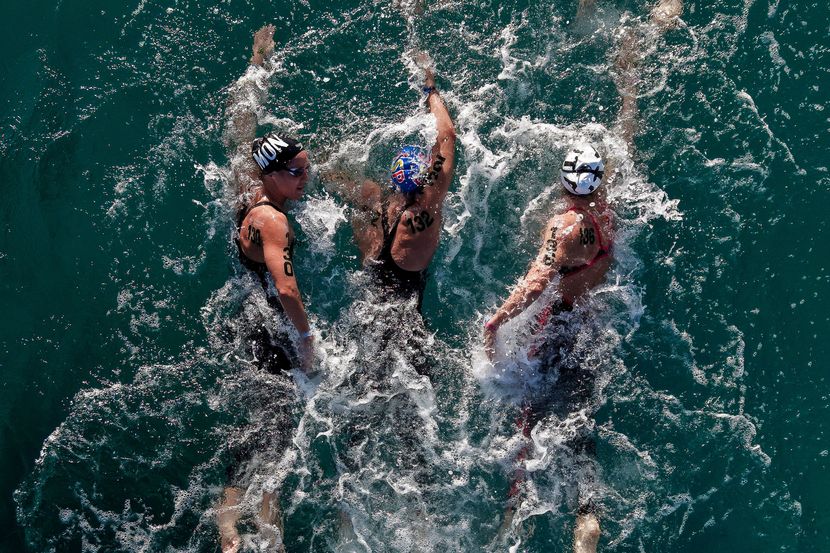
World Aquatics seeks cutting-edge research to enhance athlete safety in open water swimming competitions.
As one of the most demanding and fastest-growing competitive aquatic sports, open water swimming competitions can last over two hours.
From event duration to environment, open water swimming presents unique physiological challenges. Athletes contend with variable currents, waves, and, most critically for this initiative, water temperatures that can also be influenced by ambient temperatures and solar radiation.
Current Regulations and the Need for Updated Research
World Aquatics currently sets a maximum water temperature limit of 31.0°C for open water swimming competitions. This standard was established following comprehensive research conducted by the University of Otago in 2013 for World Aquatics, World Triathlon, and the International Olympic Committee (IOC). This testing examined swimmers completing swims of various durations (20, 60, and 120 minutes) at water temperatures ranging from 20°C to 32°C under outdoor-relevant ambient conditions.
The Research Initiative & Key Research Objectives
World Aquatics has launched a comprehensive Request for Proposal (RFP) to commission new research on Safe Maximum Water Temperature Limits for Open Water Swimming Competitions. This initiative represents a proactive approach to athlete safety, noting that thermal stress in aquatic sports requires a specialised understanding, distinct from land-based endurance activities.
The project aims to address several critical questions, including:
- How do water temperature, ambient conditions, and humidity collectively affect athlete safety and performance?
- Which physiological and demographic factors shape thermal tolerance in competitors?
- What evidence-based recommendations will support improved competition guidelines?
Moving Forward: An Open Call for Applications
Application Deadline: April 15, 2026
World Aquatics invites leading institutions and researchers worldwide to submit proposals and contribute to athlete well-being.
Submit your proposal showcasing your expertise in thermal physiology, aquatic sports, and innovative competition simulation methods. Highlight your commitment to comprehensive safety protocols for research involving human subjects.
For more information, visit https://www.worldaquatics.com/about/tenders